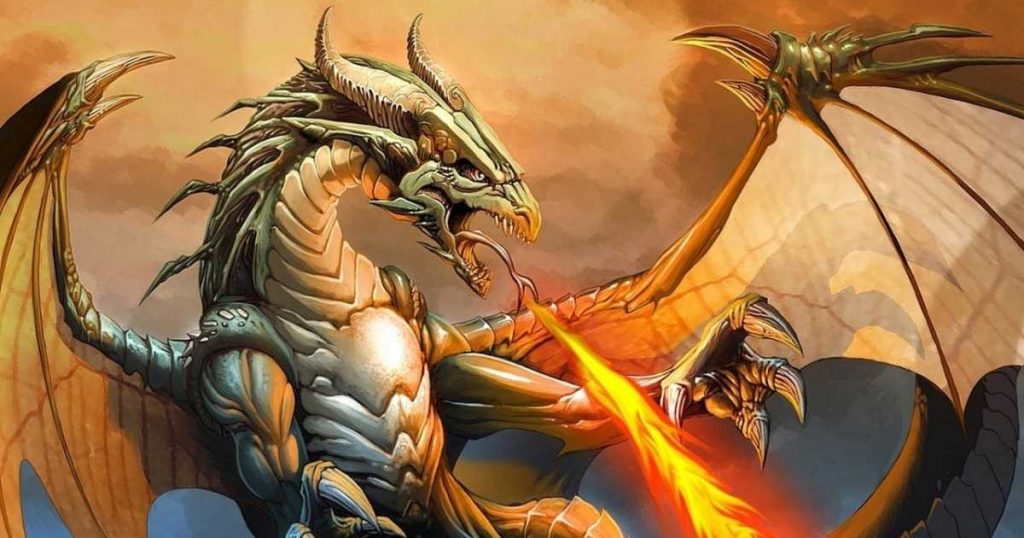
Dragons have long been a symbol of power, mystery, and awe in mythologies across the globe. But there’s something particularly captivating about the Female Dragon, a creature that blends strength, wisdom, and beauty. Whether guarding treasures, shaping landscapes, or embodying elemental forces, the female dragon adds a unique dimension to the world of dragons. From ancient legends to modern fantasy, this enigmatic figure continues to inspire, intrigue, and fascinate.
Throughout history, the Female Dragon has evolved, taking on different roles depending on the culture. In some stories, she’s a fierce protector; in others, a destroyer of civilizations. This guide will delve into the layers of symbolism and significance that define the female dragon, offering a deeper understanding of how this powerful creature has captured the hearts and minds of people for centuries.
What is a Female Dragon?
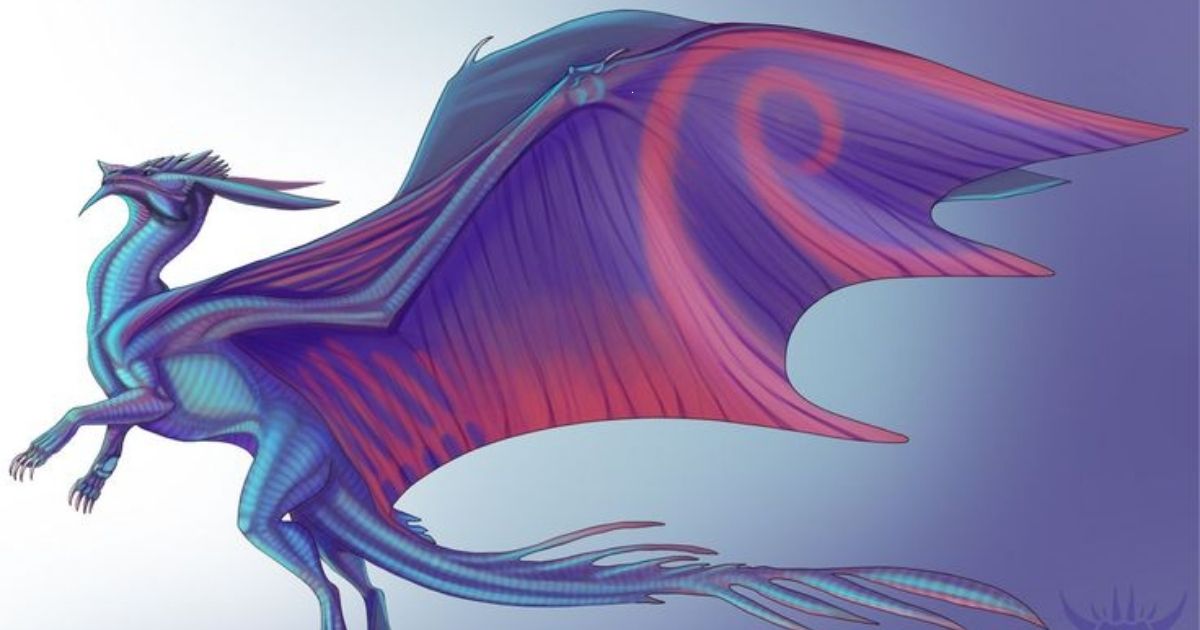
In the realm of mythology, a female dragon is often depicted as a fearsome and wise creature. While the term “dragon” is typically associated with a malevolent or dominant figure, the female counterpart often takes on different characteristics. Female dragons are not only powerful beings but also intricate symbols of fertility, strength, and guardianship. Their role in mythology can vary from being protectors of treasure to playing a central role in the creation or destruction of worlds.
The female dragon is portrayed differently depending on cultural context. In some stories, she is shown as a nurturing figure, while in others, she is a destroyer of civilizations. Either way, these dragons symbolize primal forces of nature both destructive and life-giving. Their beauty and danger have earned them a prominent spot in our cultural and literary imagination.
Read More: 540 Newspaper Name Ideas to Help You Start Your Business
The Role of the Female Dragon in Various Mythologies
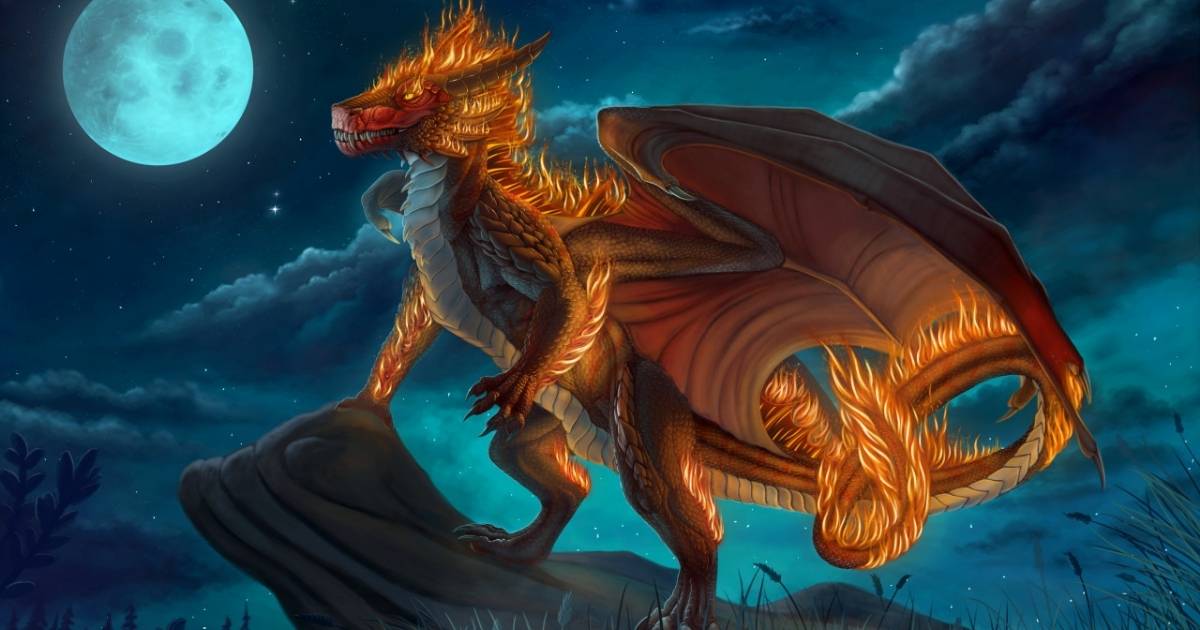
Throughout history, the female dragon has been presented as a symbol of power and mystery. Different cultures have their own interpretations of what these creatures represent.
1. The Female Dragon in European Mythology
In European folklore, dragons are often malevolent creatures, hoarding treasures and causing destruction. However, there are instances where female dragons appear in the legends. One example is the famous tale of St. George and the Dragon, where the dragon is typically depicted as male, but earlier versions of the story feature a female dragon.
In Norse mythology, female dragons are often seen as the protectors of treasure. The Níðhöggr, a dragon that gnaws on the roots of the World Tree, is often interpreted as a female figure. The female dragon in Norse tales represents not just destruction but a deeper connection to the earth and its cycles.
2. The Female Dragon in Eastern Mythology
Eastern cultures view dragons very differently. In China, the dragon is a benevolent symbol of strength, wisdom, and good fortune. Female dragons in Chinese mythology are seen as powerful beings of grace and fertility. The female dragon is often linked to water and rain, with the ability to nourish the land.
One example of a female dragon in Chinese folklore is the Longmu, who is depicted as a woman who raised five dragon sons. The Longmu is an emblem of maternal love, and her dragons symbolize the harmonious relationship between humans and nature.
3. The Female Dragon in Slavic Mythology
Slavic mythology also features female dragons, often referred to as zmaj. These dragons can be both beneficent and malevolent, depending on the story. The female dragon in Slavic lore is commonly a guardian figure, protecting villages from evil spirits or attacking invaders. These dragons are often seen as embodiments of natural forces such as storms or fire.
The Female Dragon in Fantasy Literature and Pop Culture
The allure of the female dragon extends beyond traditional mythology and into the world of literature and entertainment. From books to television shows and movies, female dragons continue to capture the imagination of creators and audiences alike.
1. Dragons in Modern Fantasy Fiction
In modern fantasy literature, female dragons are often portrayed as complex, multifaceted characters. Whether as wise, ancient creatures or powerful warriors, these dragons add a unique depth to the fantasy world. One of the most iconic female dragons in recent literature is Drogon from George R.R. Martin’s A Song of Ice and Fire series (also known as Game of Thrones). While Drogon is male, the mother of the dragons, Daenerys Targaryen, is often seen in a role of both a nurturer and a leader, embodying the essence of a female dragon in a human form.
Another example is Saphira, the female dragon in Eragon by Christopher Paolini. Saphira is not just a pet or a companion; she plays an active role in the story, showing wisdom, strength, and even a sense of humor. Saphira represents the balance between power and compassion that the female dragon symbolizes.
2. Dragons in Movies and Television
Movies and television shows have also embraced the female dragon archetype. In Shrek, the female dragon is a surprising yet beloved character, known for her romantic interest in the Donkey character. Her transformation from a fearsome beast into a companion and ally highlights the evolving role of female dragons in popular culture.
In How to Train Your Dragon, the female dragon character Valka introduces a new layer to the dragon lore, being a protector of dragons. This represents a shift in the way the female dragon is viewed no longer merely a symbol of destruction but also one of care and protection.
3. The Popularity of Female Dragon Characters
The reason female dragons continue to captivate audiences is simple: they represent both strength and vulnerability. They’re fierce protectors but also have the potential for empathy and emotional depth. This duality resonates with modern audiences, who are drawn to characters that are not only powerful but also complex.
Symbolism of the Female Dragon
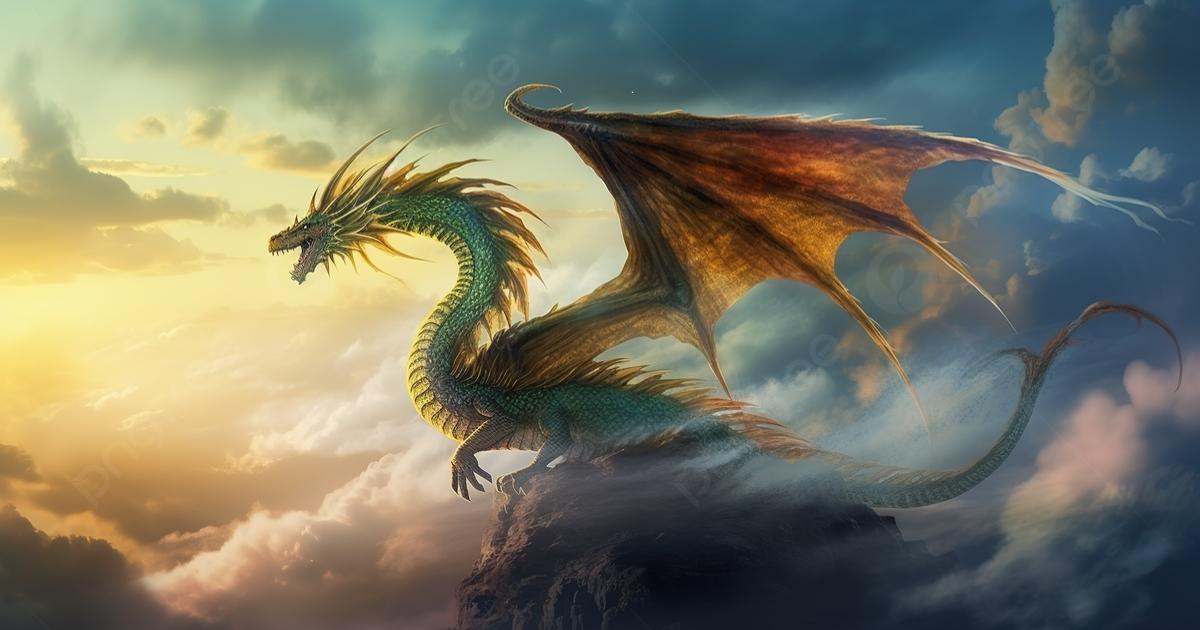
The female dragon carries a wealth of symbolism, and her representation varies depending on the context. Here are some of the most common themes associated with the female dragon:
1. Power and Authority
The female dragon often symbolizes immense power. In many cultures, dragons are linked to natural forces like fire, wind, and water. A female dragon embodies these forces, and her role as a protector or destroyer highlights the connection between femininity and authority. Whether guarding treasure or wreaking havoc, a female dragon commands respect.
2. Nurturing and Protection
In some cultures, the female dragon is a nurturing figure, offering protection to those she cares for. This could be in the form of guarding sacred spaces or watching over the young. The female dragon in this role is a mother figure, embodying maternal love and strength.
3. Fertility and Creation
The female dragon is often associated with fertility, the earth, and the cycles of life. In Chinese and Eastern cultures, for instance, the female dragon represents not just destruction, but also the creation of life and the prosperity of nations. She is a symbol of regeneration and the ongoing cycle of nature.
4. Wisdom and Knowledge
Many female dragons are portrayed as wise and knowledgeable beings. In mythology, dragons often represent ancient knowledge, and the female dragon is no exception. These creatures often hold the keys to hidden knowledge and power, making them a symbol of wisdom and enlightenment.
FAQ’s
What is the significance of the Female Dragon in mythology?
The female dragon symbolizes both power and nurturing, often serving as a protector or a force of destruction, depending on the culture.
How are Female Dragons portrayed in modern fantasy literature?
In modern fantasy, the female dragon is often depicted as wise, powerful, and complex, with characters like Saphira from Eragon embodying these traits.
Are Female Dragons considered good or evil in most myths?
The portrayal of the female dragon varies across myths, with some being protectors of treasure, while others represent destructive forces.
What cultural differences exist in the depiction of Female Dragons?
The female dragon is seen as a symbol of wisdom and fertility in Eastern cultures, while in Western mythology, she may be a fierce guardian or antagonist.
Why are Female Dragons so popular in pop culture?
The female dragon remains popular in pop culture due to her multifaceted nature, combining strength, grace, and mystery, which resonates with modern audiences.
Conclusion
The female dragon continues to captivate imaginations across cultures and time periods. From ancient myths to modern literature, her multifaceted nature ranging from a wise protector to a fierce destroyer, ensures that this mythical creature remains a symbol of power, wisdom, and mystery. As a character, she embodies both strength and vulnerability, making her an enduring figure in storytelling.
As we’ve explored in this guide, the allure of the female dragon is rooted in her symbolism, which transcends simple mythology. Whether in folklore, fantasy, or pop culture, the female dragon leaves a lasting impression, representing timeless qualities that resonate with audiences and remind us of the untamed forces of nature.